
If you suffer from allergies, a true HEPA air purifier can significantly reduce airborne allergens such as pollen, dust mites, and pet dander. The best models combine effective filtration, quiet operation, and room-appropriate coverage.
Best Air Purifiers for Allergies (2026)
Updated: January 3, 2026
Top picks
Best for bedrooms
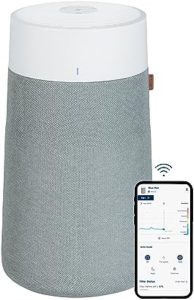
Best for pets
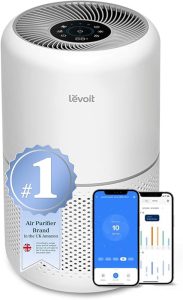
Editor's pick
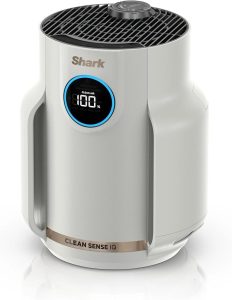
Comparison table
| Model | Best for | Room Size | Noise | Filter Type | Price |
|
Blueair Blue Max 3250i
|
Bedrooms | 48m2 | 19dB | HEPA | |
|
Levoit Smart Core 300S
|
Pets | 108m2 | 23dB | HEPA | |
|
Philips Air Purifier 600
|
Bedrooms | 44m2 | 19dB | HEPA | |
|
Shark NeverChange5
|
Pets | 23m2 | 32dB | HEPA |
How to choose an air purifier for allergies?
- True HEPA: Look for “True HEPA” filtration for pollen, dust and dander.
- Room coverage: Match capacity to your room size (bigger rooms need higher CADR/coverage).
- Noise at night: Bedrooms benefit from low dB on the lowest usable setting.
- Filter costs: Check replacement frequency and ongoing costs (not just the upfront price).
- Allergy triggers: Pets and smoke often need added carbon filtration.
How we picked these models
We compare models using consistent criteria (coverage, filtration type, usability, noise and value) and aim to recommend options for different needs and budgets.
- Coverage appropriate for common room sizes
- HEPA filtration as a baseline requirement
- Noise suitable for sleeping / working where relevant
- Value assessment (including filter replacements where known)
FAQs
Do air purifiers help with allergies?
A good HEPA air purifier can reduce airborne allergens such as pollen, dust mites, and mould spores, helping many allergy sufferers breathe more comfortably indoors.
Where should I place an air purifier?
Place the air purifier where airflow is not blocked, ideally in the room where allergy symptoms are worst, such as a bedroom or main living area.
How often do air purifier filters need replacing?
Filter replacement depends on the model and air quality, but most HEPA filters need changing every few months. Always follow the manufacturer’s guidance for best performance.
Can air purifiers help with pet allergies?
Air purifiers with a true HEPA filter can capture pet dander and fine hair particles, which may reduce allergy symptoms for people living with cats or dogs.
Are air purifiers effective for hay fever indoors?
Air purifiers can lower indoor pollen levels, especially when windows are kept closed during high pollen periods, helping to reduce hay fever symptoms inside the home.