
EcoAir DD1 Classic

The EcoAir DD1 Classic is a desiccant dehumidifier, making it particularly effective in colder UK homes where compressor models can struggle. It is well suited to tackling black mould in bedrooms, bathrooms, and poorly heated spaces.

Because desiccant technology works efficiently at low temperatures, this model is a strong choice for winter mould prevention and overnight use.
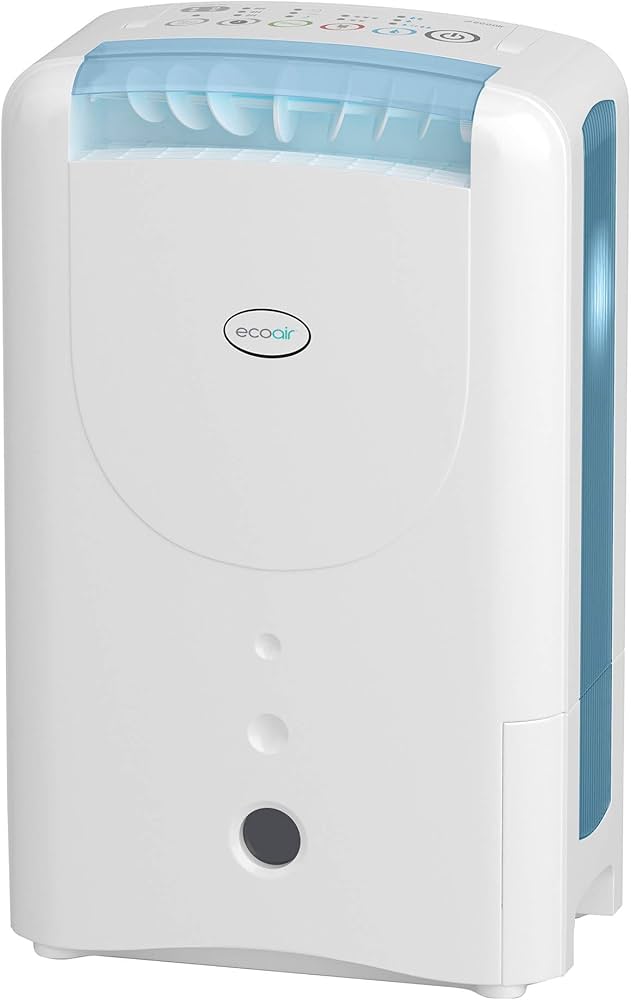
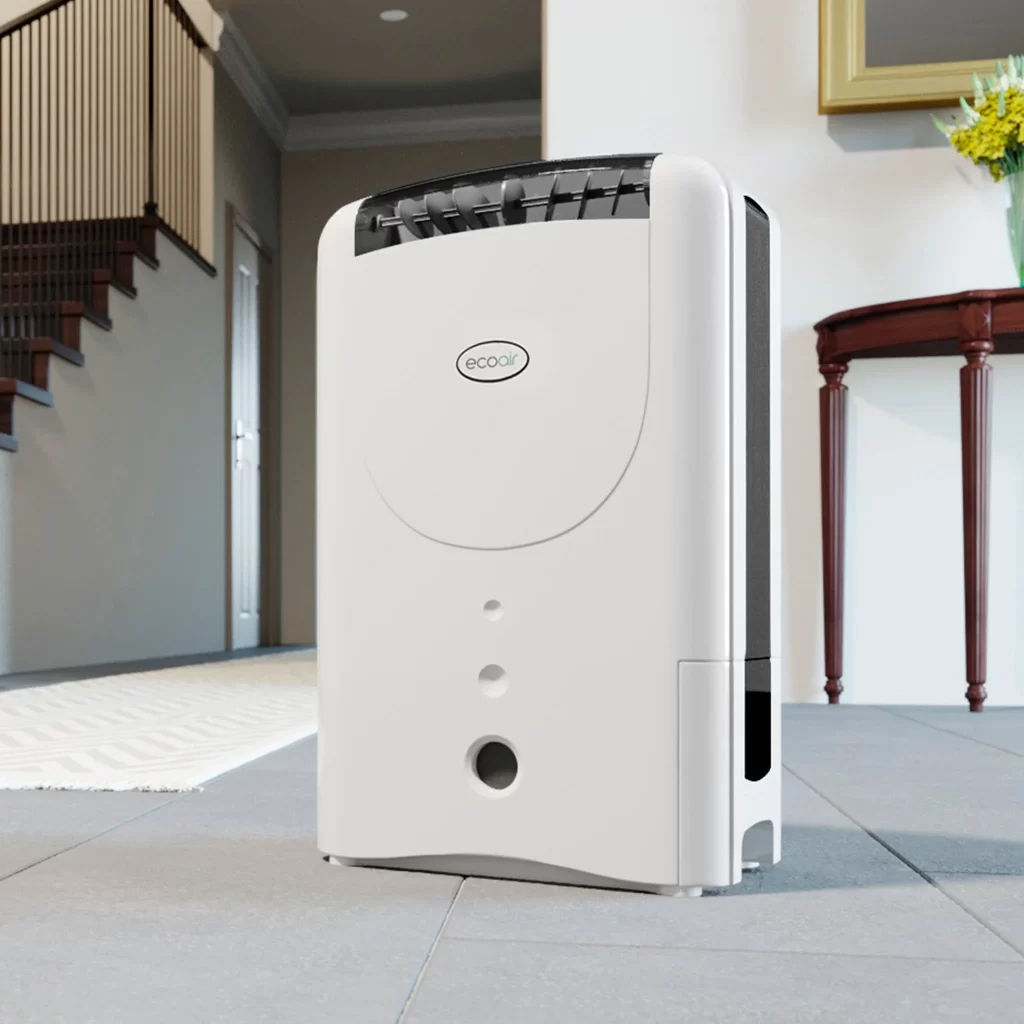
EcoAir DD1 Classic

Updated: January 2, 2026
Quick verdict

An excellent choice for black mould control in cold rooms thanks to desiccant technology and consistent low-temperature performance.

Best forCold rooms, winter mould, bedrooms
Room sizeUp to 35 m2
NoiseLow
Filter typeAir purification
Running costMedium to high
Product pageEcoAir DD1 Classic

Gallery

Price and availability

Check today’s price

Prices change often. Check the retailer for the latest deal.

Best for Cold rooms, winter mould prevention, bedrooms
Moisture removal Up to 7.5 litres per day
Room size Up to 35 m2
Tank capacity 2 litres
Noise Approx 34 dB(A)
Energy use Approx 650 W
Laundry mode Yes
Drainage option Yes
Operating temperature 1 to 40 C
Auto humidity control Yes
Filter type Air purification filter
Smart features Auto swing louvre, ioniser
Price Mid-range

Pros and cons

Pros

  • Works exceptionally well in cold temperatures
  • Quiet operation suitable for bedrooms
  • Effective for winter mould prevention

Cons

  • Higher power draw than compressor models
  • Smaller water tank requires more frequent emptying

FAQs

Why choose a desiccant dehumidifier for mould?

Desiccant models work better in cold conditions where mould often thrives.

Is it suitable for overnight use?

Yes, it is quiet and commonly used in bedrooms.

Will it help with condensation on windows?

Yes, by reducing indoor humidity it helps prevent window condensation.

How we review

We compare dehumidifiers using consistent criteria: room coverage, filtration type, noise for bedrooms, and ongoing filter cost.
We aim to recommend options for different needs and budgets.

  • Coverage suitability for typical rooms
  • Filtration for allergens (HEPA and carbon where relevant)
  • Noise levels for sleeping and working
  • Ongoing filter replacement considerations
  • Ease of use and maintenance